A trek can be an amazing experience, but carrying the right things can make the journey much more comfortable and enjoyable. You don’t need to fill your backpack with everything you own. The idea is to pack light, pack smart and carry what you actually need.
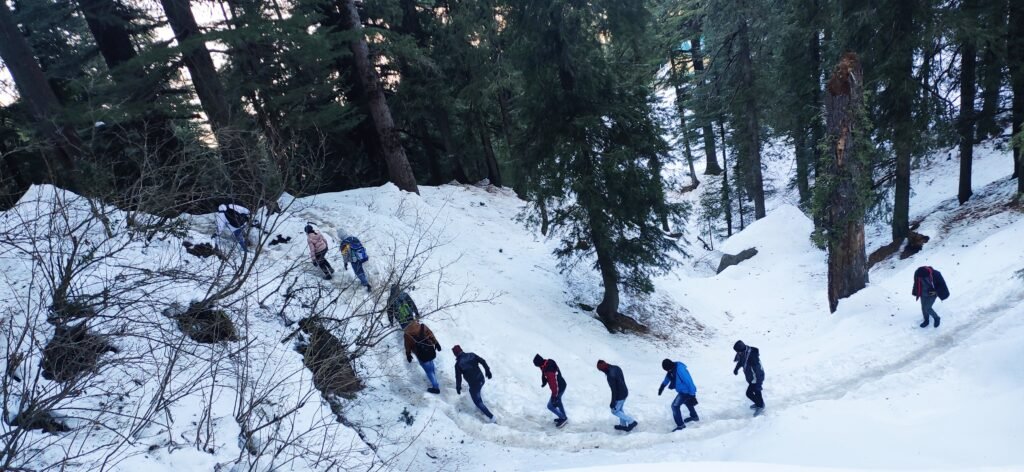
Your packing should also change depending on the trek, season, duration and altitude. A Himalayan winter trek will require very different clothing from a short monsoon trek in Gujarat.
Here are 10 essentials every trekker should consider before heading to the trail.
1. A Comfortable Backpack
Your backpack is going to be with you for most of the journey, so comfort matters. Choose a sturdy backpack with good shoulder and waist support and always use a rain cover when trekking in areas where the weather can change quickly.
Try not to overpack. A heavy backpack can make even a beautiful trail tiring.
2. Good Trekking Shoes
One of the most important things on a trek is proper footwear. Choose shoes with a good grip and enough support for the type of terrain you will encounter.
Avoid wearing completely new shoes on the trek. Breaking them in beforehand can help reduce discomfort and blisters.
3. Weather-Appropriate Clothes
Mountain weather can change quickly, so carry clothing according to the season. Quick-dry T-shirts, comfortable trekking pants, a warm layer and a waterproof outer layer are useful for many treks.
For winter or high-altitude treks, additional layers such as thermals, fleece, a warm jacket, gloves and a cap may be necessary.
4. Water Bottle & Hydration
Staying hydrated is essential while trekking. Carry a reusable water bottle or hydration system and refill it only at safe, reliable water sources.
Depending on the trek and conditions, you may also want to carry ORS or electrolyte sachets.
5. Sunglasses, Cap & Sunscreen
Don’t underestimate the sun while trekking. Even when the weather feels cool, you can still spend several hours exposed to sunlight.
A good pair of sunglasses, a cap and sunscreen can help protect you during long hours on the trail.
6. Headlamp or Torch
A headlamp is one of those small items you may not appreciate until you actually need it.
Early morning summit walks, late arrivals at camp or simply moving around after dark can all require a reliable light. Carry spare batteries if your torch requires them.
7. Personal First-Aid & Medicines
Carry a small personal medical kit with essentials such as bandages, antiseptic, ORS and any medicines that you regularly require.
If you have prescribed medication, make sure you carry enough for the entire trip. Your trek organiser or guide may also have a group first-aid kit, but you should not depend on that for your personal medicines.
8. Personal Toiletries
Keep your toiletries simple and lightweight. A small kit can include a toothbrush, toothpaste, hand sanitizer, toilet paper, lip balm, sunscreen and a small towel.
Avoid carrying unnecessary bottles and full-sized products. Every extra item adds weight to your backpack.
9. Important Documents & Emergency Essentials
Carry your government-issued photo ID and any documents specifically required by the trek organiser or local authorities.
It’s also useful to keep some emergency cash, your phone and important contact information safely packed.
10. Snacks & Energy Food
Trekking can use a lot of energy, especially on long climbs. Carry a few lightweight snacks such as dry fruits, energy bars, chocolates or other foods that are easy to eat while walking.
Don’t depend entirely on snacks, though—follow the meal and hydration plan provided for your particular trek.
A Few Packing Tips Before You Leave
The best trekking bag isn’t necessarily the biggest one. Carry only what you need. Keep frequently used items somewhere easily accessible and protect clothes, electronics and other important belongings from rain using waterproof bags or covers.
Most importantly, check the specific requirements of your trek before packing. A short forest trek, a monsoon trail and a high-altitude Himalayan trek can all require completely different equipment.
Final Thought
A good trek isn’t about carrying the most gear—it’s about carrying the right gear.
Pack smart, keep your backpack manageable, respect the weather and trail conditions, and leave no waste behind. Once your essentials are sorted, you can spend less time worrying about your backpack and more time enjoying the mountains.
Pack light. Trek safe. Leave only footprints and take back unforgettable memories.